
Generative Engine Optimization (GEO): The Future of SEO
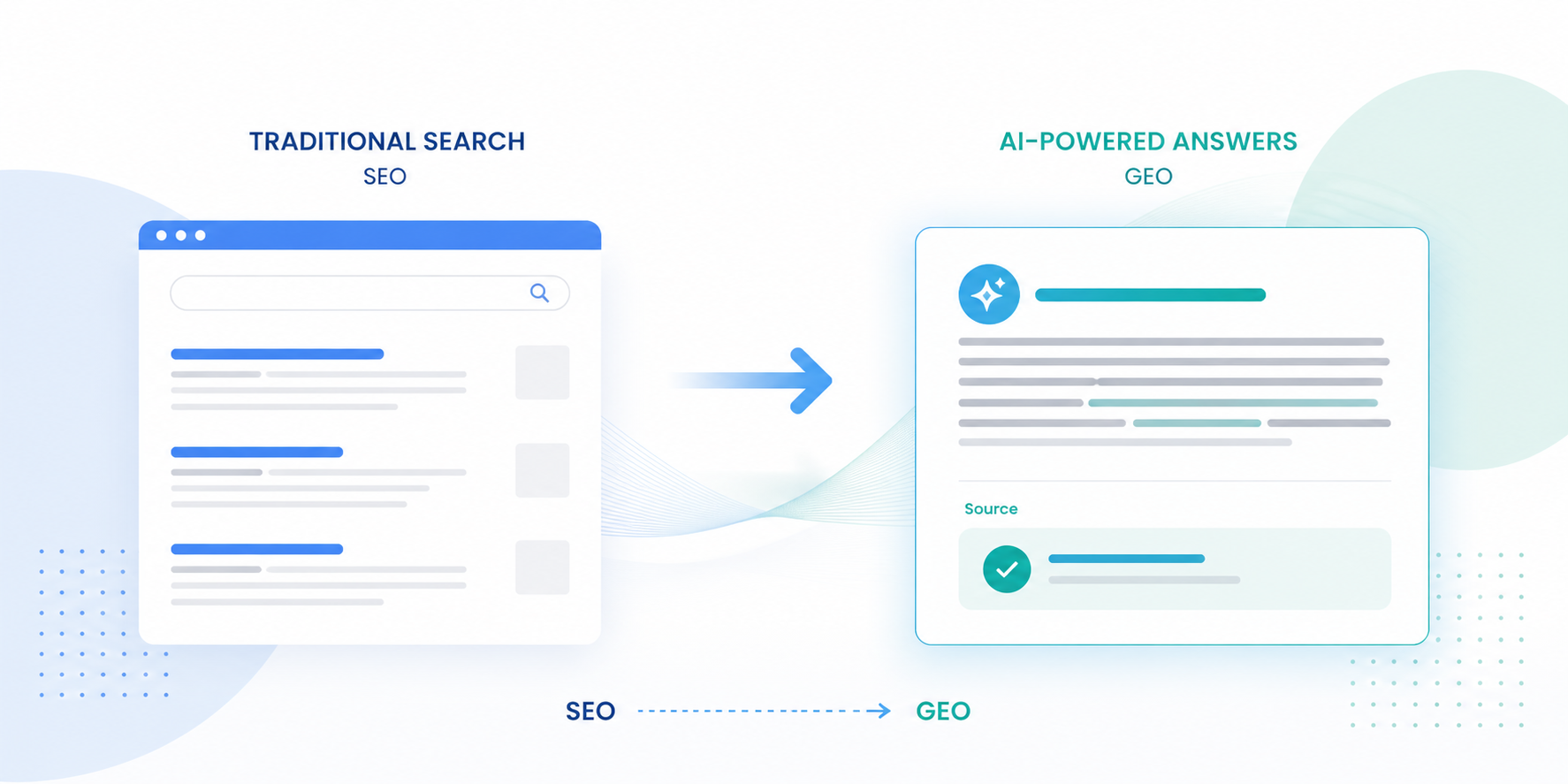
Search is evolving faster than ever. Traditional search engines are no longer the only way people discover information online. Today, users are increasingly turning to AI-powered platforms such as ChatGPT, Google AI Overviews, Gemini, and Perplexity to get instant answers, recommendations, and insights.
As a result, businesses need a new approach to digital visibility. This is where Generative Engine Optimization (GEO) comes into play.
GEO is the practice of optimizing your brand, content, and website to increase the likelihood of being cited, referenced, and recommended by AI-powered search engines and generative AI platforms.
What Is Generative Engine Optimization (GEO)?
Generative Engine Optimization (GEO) focuses on improving a brand’s visibility within AI-generated responses. Unlike traditional SEO, which aims to rank web pages in search engine results, GEO aims to ensure your content is recognized and referenced by AI systems when answering user queries.
For example, when someone asks ChatGPT or Google AI Overviews:
- “What are the best SEO agencies for healthcare businesses?”
- “How can manufacturers improve organic visibility?”
- “Which companies specialize in AI SEO services?”
The platforms generate answers by analyzing trusted sources, authoritative content, and relevant information available across the web.
GEO helps position your brand as one of those trusted sources.
Why GEO Matters in 2026 and Beyond
AI-powered search experiences are changing how users consume information. Instead of browsing multiple websites, users increasingly rely on AI-generated summaries and recommendations.
Key reasons why GEO is becoming essential:
- AI search adoption continues to grow rapidly.
- Google AI Overviews are appearing for more search queries.
- ChatGPT, Gemini, and Perplexity influence purchase decisions.
- Brands need visibility beyond traditional search rankings.
- AI-generated answers often determine which businesses users discover first.
Organizations that invest in GEO today will be better positioned as search behavior continues to evolve.
GEO vs Traditional SEO
The most successful digital strategies combine both SEO and GEO rather than treating them separately.
How Generative Engines Choose Sources
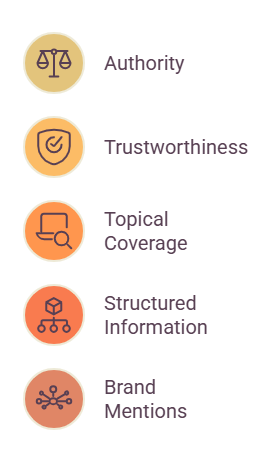
AI platforms prioritize information that demonstrates:
Authority
Brands with strong expertise and industry recognition are more likely to be referenced.
Trustworthiness
Accurate, well-researched, and credible content performs better.
Topical Coverage
Websites that thoroughly cover a subject area have a higher chance of being cited.
Structured Information
Well-organized content helps AI systems understand and retrieve information efficiently.
Brand Mentions Across the Web
Consistent references from trusted websites strengthen credibility signals.
Key GEO Strategies for Businesses
Build Topical Authority
Create comprehensive content clusters around your core services and expertise.
For example, an SEO agency should publish content around:
- AI SEO
- Enterprise SEO
- Local SEO
- Healthcare SEO
- eCommerce SEO
- Technical SEO
- Content Marketing
This helps establish authority and increases the likelihood of AI recognition.
Create High-Quality Expert Content
Generative engines favor content that demonstrates experience, expertise, authority, and trust.
Focus on:
- Original insights
- Industry research
- Case studies
- Expert opinions
- Comprehensive guides
Optimize for AI Retrieval
Structure content clearly using:
- Descriptive headings
- FAQ sections
- Lists and bullet points
- Schema markup
- Internal linking
These elements make information easier for AI systems to understand.
Strengthen Brand Authority
AI systems often reference brands that have strong digital footprints.
Improve authority through:
- Industry publications
- Digital PR
- Thought leadership content
- High-quality backlinks
- Case studies and success stories
Implement Structured Data
Schema markup provides additional context about your content and business.
Important schema types include:
- Organization Schema
- FAQ Schema
- Article Schema
- Local Business Schema
- Service Schema
How to Measure GEO Success
Unlike traditional SEO rankings, GEO performance can be measured through:
- AI platform mentions
- AI-generated citations
- Brand visibility in AI search tools
- Referral traffic from AI platforms
- Share of voice in AI-generated responses
As AI search becomes more mainstream, GEO reporting will become a critical component of digital marketing measurement.
The Future of Search Is AI-Driven
Generative AI is transforming how users discover information online. Businesses that focus solely on traditional rankings risk losing visibility as AI-powered search experiences continue to expand.
Generative Engine Optimization helps brands adapt to this shift by increasing their presence across ChatGPT, Google AI Overviews, Gemini, Perplexity, and future AI search platforms.
The future of SEO is no longer just about ranking pages—it’s about becoming the trusted source that AI engines choose to reference.
Generative Engine Optimization (GEO) is rapidly becoming an essential part of modern digital marketing. By combining strong SEO fundamentals with AI-focused optimization strategies, businesses can improve visibility, strengthen authority, and remain competitive in the evolving search landscape.
Brands that invest in GEO today will be better positioned to earn citations, recommendations, and visibility across the next generation of search experiences.